Polyaspartic Floor Coating Services in Sterling Heights
Request an estimate from local providers
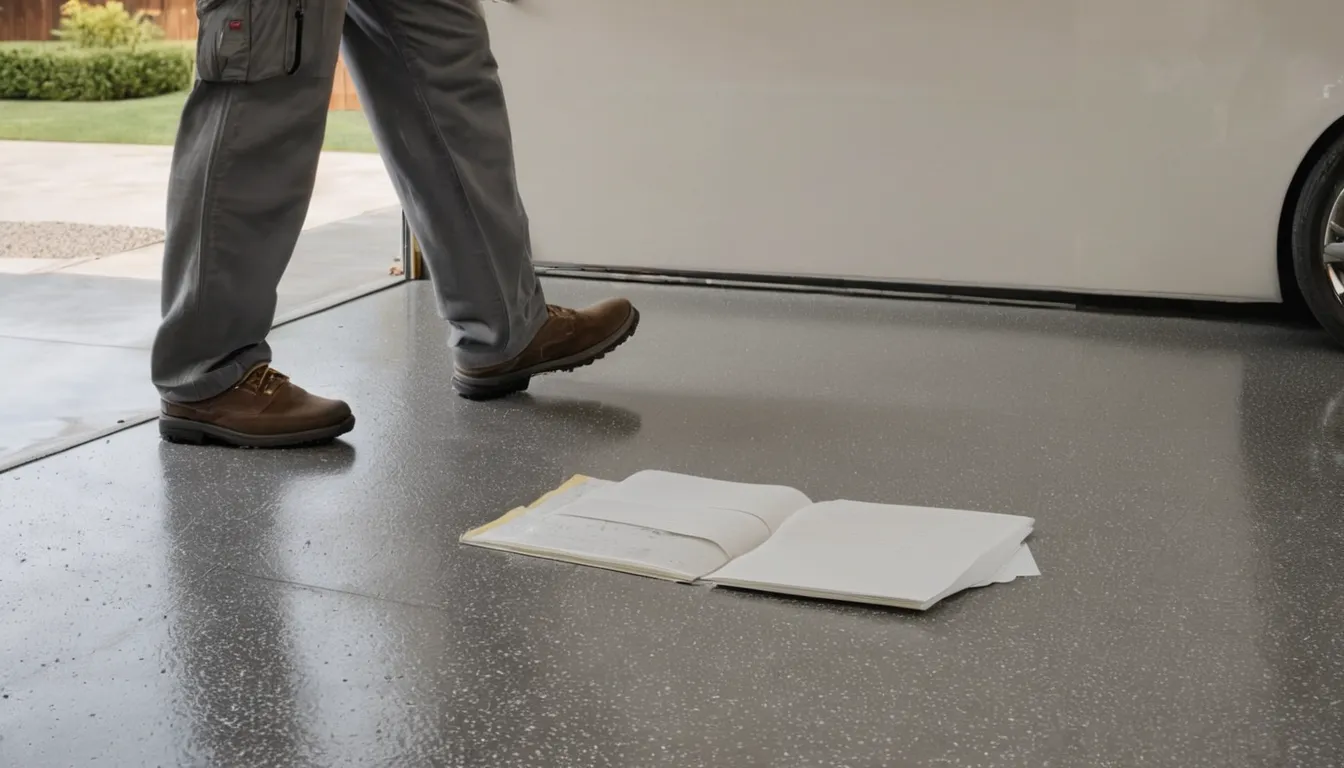
Polyaspartic is a tough, clear-to-colored coating for concrete. It is often used on garage floors in the Sterling Heights area. It cures faster than standard epoxy, resists UV fading, and handles cold snaps and hot, humid weeks well. That makes it a popular pick for floors that see weather, tires and salt.
Behalfisrael Floor Coating is a referral service. We do not install anything. We help you get organized, then connect you with independent local providers in our network. They inspect the slab, explain the system, and give you a written quote. Compare the quotes at your own pace, with no obligation.
Need your garage floor back in use quickly?
Polyaspartic is often chosen for one reason: speed. Many systems cure faster than standard epoxy. That can mean less time with your vehicles parked outside and your tools boxed up. Exact timing depends on the product, the slab and the weather. The provider sets the schedule, not Behalfisrael Floor Coating.
First, document everything
Before anyone visits, build a simple file. It takes about ten minutes.
1. Take wide photos of the whole floor. 2. Take close photos of cracks, stains, pits and flaking spots. 3. Measure the length and width of the garage or room. 4. Note oil spots, past coatings, and any damp patches. 5. Save receipts and old product names if you have them.
Then send the same file to every provider. Gather, send, compare.
How polyaspartic differs from epoxy
Both are floor coatings. They behave differently.
- Cure time: polyaspartic is usually faster.
- Sunlight: polyaspartic tends to resist yellowing better. Epoxy can amber in strong light.
- Working time: polyaspartic sets quickly, so installers must move fast.
- Price: materials often cost more per square foot.
Neither is right for every floor. Ask a provider which fits your slab and your use.
Full polyaspartic or hybrid system?
Some providers apply polyaspartic in every layer. Others use an epoxy base with a polyaspartic top coat. This is called a hybrid system.
- Full system: fewer layers, faster finish, higher material cost.
- Hybrid system: epoxy fills and bonds, polyaspartic protects the surface.
Ask each provider to name the layers in the written quote. Then you can compare like with like.
The installation process
Here is the usual order of work. Details vary by provider.
1. Inspect the slab for cracks, moisture and old coatings. 2. Grind the concrete to open the surface so the coating can bond. 3. Repair cracks and joints with filler. 4. Apply the base coat, then flakes if you chose them. 5. Seal with the clear polyaspartic top coat. 6. Cure before walking, then before parking.
Skipped prep is the most common reason coatings fail. Ask how the provider prepares the surface.
Where polyaspartic works well
This coating suits more than garages.
- Garage floors that see road salt and tire heat
- Porches and patios with sun exposure
- Basement floors, once moisture has been checked
- Workshops and utility rooms
If your floor is a different material, such as wood, it needs a different plan. Hardwood flooring installation, for example, is a separate project. Some providers in our network may handle it, but ask them directly.
Weather and timing
Cold winters with deep frost can leave slabs damp and cold. Hot, humid summers can slow prep or affect how a coating sets. Spring flooding can leave moisture in basement concrete.
- Ask about the temperature range the product allows.
- Ask how the provider tests for slab moisture.
- Plan around storms. Hail and heavy rain can blow into an open garage door.
Polyaspartic can be applied in a wider range of conditions than some coatings. Still, the provider decides what is safe for your slab.
Choosing colors and flake blends
Custom floor finishes are part of the fun. Decide these items in order.
1. Base color: gray, tan and charcoal hide dirt well. 2. Flake blend: mixed flakes hide small marks and dust. 3. Flake coverage: light scatter or full broadcast. 4. Sheen: glossy looks bright, satin is less slippery.
Ask to see a sample board in your garage light. Colors look different outdoors.
Caring for a polyaspartic floor
Fix it, then protect it. Upkeep is simple.
- Sweep or dust mop weekly.
- Wash off road salt in winter with warm water and a soft mop.
- Wipe spills when you see them.
- Use a mild cleaner. Skip harsh solvents.
- Place pads under jack stands and heavy tools.
Ask the provider for written care steps and cure times before you park on the floor.
Moisture and damage records
If a burst pipe, sump pump failure or flood damaged the slab, keep records. Take dated photos. Save repair notes and invoices. Some policies may cover sudden damage, so check your policy. Providers can often help document damage for a claim.
Questions to ask each installer
Use this short list at every visit.
- What layers are in this system?
- How will you prep the concrete?
- How will you handle cracks and moisture?
- How long before I can walk and park on it?
- What does the written warranty cover?
- Are the quote, materials and labor itemized?
Keep the answers in your file. Then compare them side by side.
What's Included
Surface Prep
Providers inspect the slab, grind the surface and fill cracks so the coating can bond.
Coating Layers
The system may be full polyaspartic or a hybrid, with each layer listed in your quote.
Color and Flake Options
Choose a base color, flake blend and sheen to match your garage and your style.
Care Notes
Ask for cure times and simple upkeep steps in writing before you park.
Typical polyaspartic floor coating price ranges
Costs vary by slab condition, size, system and region. These are typical U.S. ranges, not quotes. Prep work and repairs change the total. Always get a written, itemized quote before you agree to work.
| Item | Typical range | Notes |
|---|---|---|
| Full polyaspartic, per sq ft | $5 – $12 | Higher end for thick or multi-layer systems |
| Hybrid epoxy and polyaspartic, per sq ft | $4 – $9 | Epoxy base with polyaspartic top coat |
| Two-car garage, about 400 sq ft | $2,500 – $5,500 | Depends on prep and flake coverage |
| Concrete grinding and prep | $1 – $3 per sq ft | Often included, so ask |
| Crack and joint repair | $200 – $800 | Based on number and size of cracks |
| Decorative flake upgrade | $1 – $3 per sq ft | Full broadcast costs more than a light scatter |
How It Works
Gather Your Records
Take photos, measure the floor, and write down stains, cracks and past coatings.
Send Your Request
Use the estimate form to share your file, project goals and preferred timing.
Compare Written Quotes
Line up layers, prep steps, cure times and warranty terms from each provider.
Choose and Plan Upkeep
Pick a provider, confirm the schedule, and ask for written care steps.
Why Call Behalfisrael Floor Coating
Organized Before Estimates
Photos, measurements and notes help providers give clearer quotes with fewer surprises at the visit.
Independent Providers
Local providers in our network do the work. Behalfisrael Floor Coating only makes the connection.
Written Quotes
Ask each provider to list layers, prep and warranty terms so quotes compare fairly.
No Obligation
Request an estimate, compare your options, and decide at your own pace.
Other Services
Need polyaspartic floor coating services in Sterling Heights?
Request an estimate and share your photos and notes. Behalfisrael Floor Coating passes your details to independent providers in our network, who then reach out.
Polyaspartic Floor Coating Services FAQ
How long does polyaspartic floor coating take to cure?
Many polyaspartic systems cure faster than standard epoxy, and some floors can take foot traffic sooner. Vehicle-ready timing depends on the product, temperature and slab. Ask the provider for written cure times before you park.
Is polyaspartic better than epoxy for a garage floor?
Not always. Polyaspartic cures faster and resists sunlight fading, but it often costs more. Epoxy can work well in many garages. Ask providers which suits your slab.
Can polyaspartic be applied in cold weather?
Some products can be applied in cooler conditions than epoxy. The slab must still be dry and prepared properly. Ask each provider about temperature limits and moisture testing.
Reach a local provider
Request an estimate and share your photos and notes. Behalfisrael Floor Coating passes your details to independent providers in our network, who then reach out.
No obligation